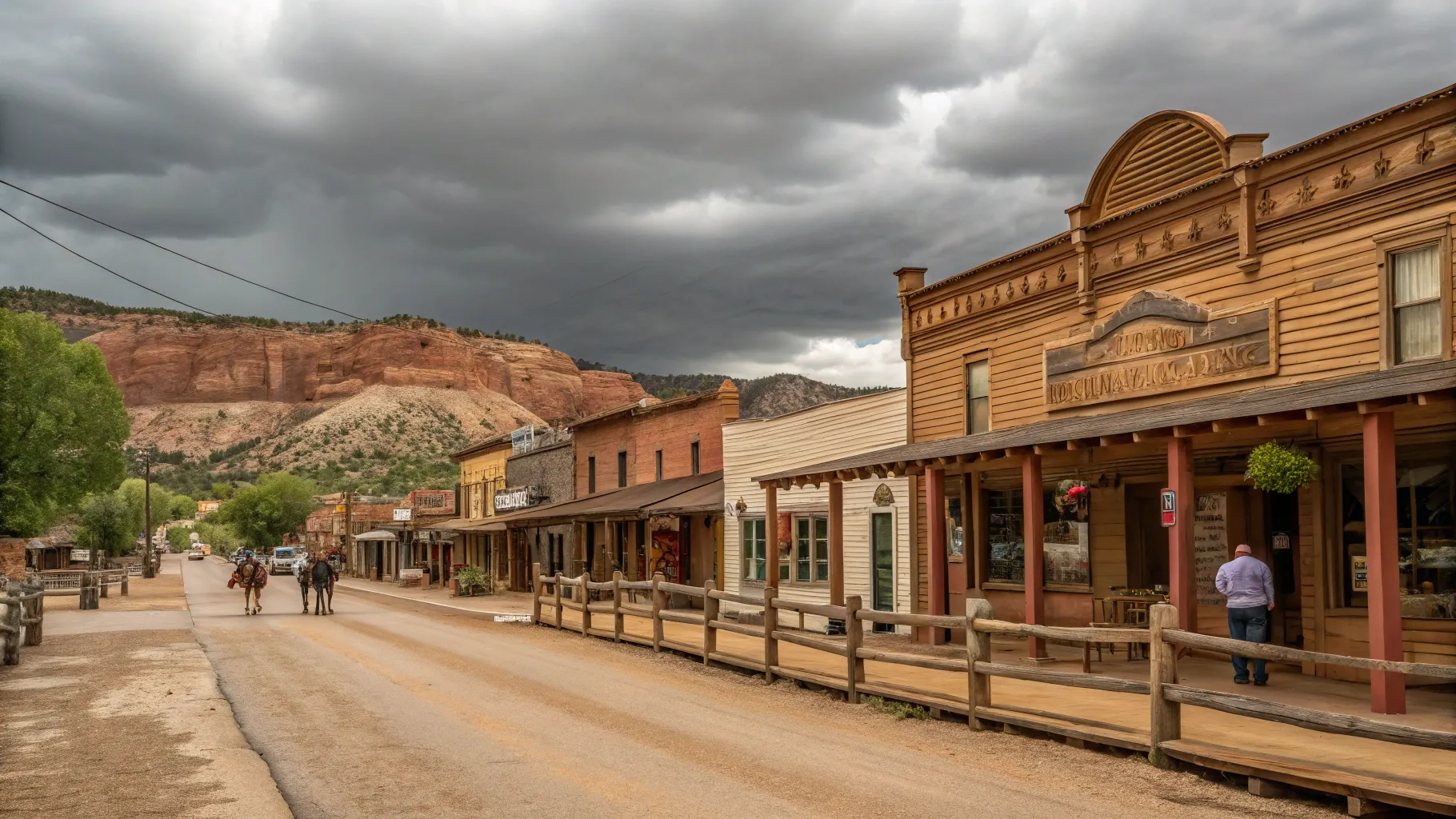
Kanab, Utah
20 min drive
This nearby town serves as the primary hub for lodging, dining, and supplies before or after your time in the dunes.
Coral Pink Sand Dunes State Park delivers a rare combination of motorized recreation and quiet desert exploration across 3,730 acres of wind-sculpted terrain. The park's namesake dunes—tinted coral by iron oxide in the Navajo Sandstone—rise as high as several hundred feet and support activities that range from high-speed off-highway vehicle runs to barefoot sand hikes.
Quick answer
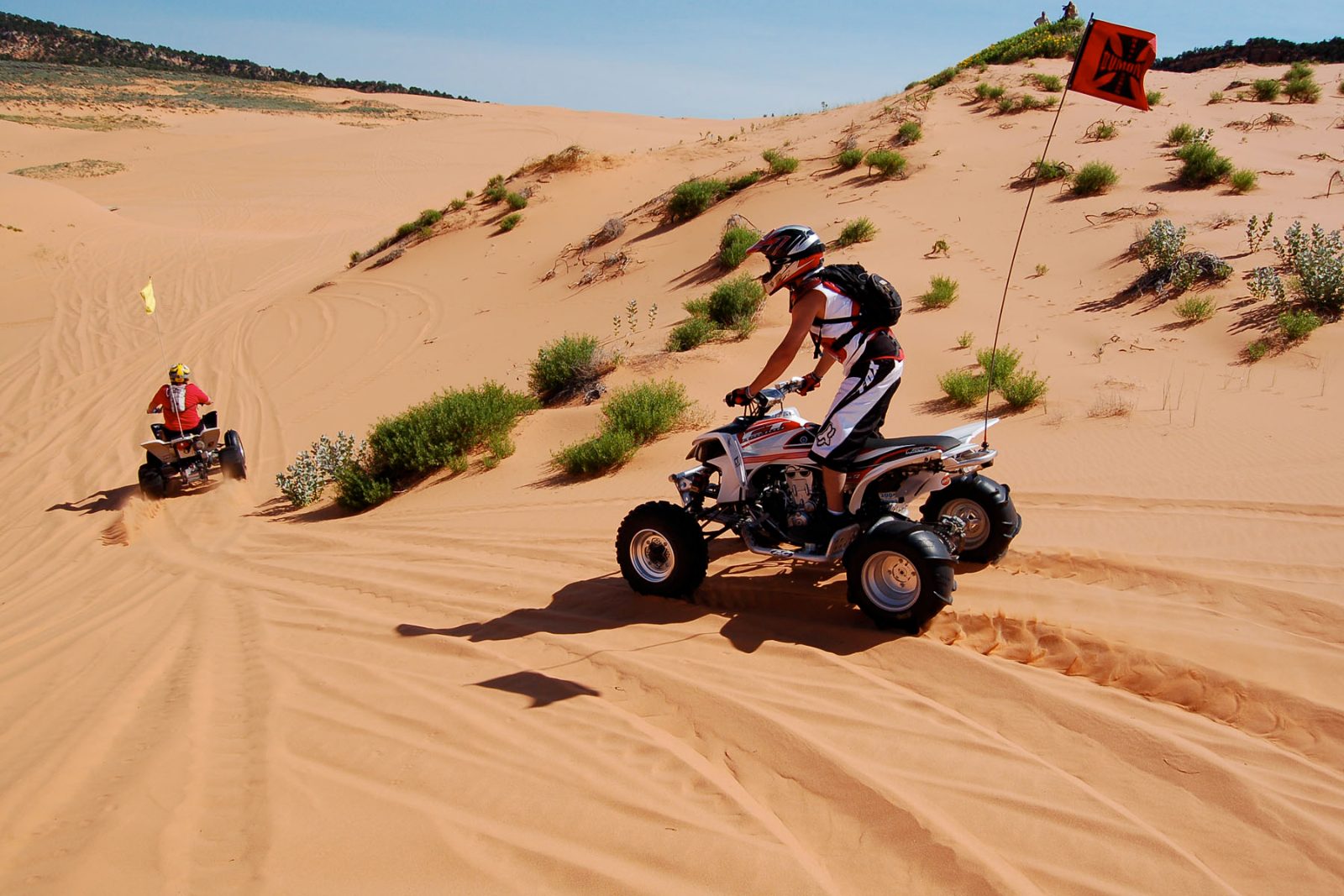
Coral Pink Sand Dunes offers off-highway vehicle riding on designated trails, sandboarding and sand sledding down steep dune faces, hiking the nature trail and backcountry routes, wildlife observation (including the endemic Coral Pink Sand Dunes tiger beetle), and photography at sunrise and sunset when the dunes glow salmon and amber. The park is open 24 hours daily with a day-use fee of 15 USD per vehicle.
The Navajo Sandstone that forms these dunes eroded from surrounding cliffs over millennia, and prevailing winds sorted the grains by size and density, leaving behind the fine, iron-rich particles that give the landscape its signature blush. The result is a contained dune field hemmed by ponderosa pine and sage, a geological pocket that concentrates both recreation and biodiversity in a compact zone. Off-highway vehicle use dominates the park's western dune expanse, where riders trace looping tracks across open sand and navigate bowls and ridgelines. The OHV area operates year-round, though summer afternoons bring triple-digit heat that softens tire traction and tests engine cooling systems. A separate non-motorized zone on the eastern edge preserves space for sandboarding, a gravity sport that requires only a waxed board and a willingness to hike back upslope after each run. The steepest faces offer drops of 30 to 50 vertical feet, and repeated descents polish the sand into a fast, glassy surface by midday. The park's short nature trail loops through a transitional band where dune meets scrubland, marked by interpretive signs that catalog the Coral Pink Sand Dunes tiger beetle, a metallic-green predator endemic to this dune field and listed as a federally protected species. Sightings peak in early summer when adults emerge to hunt on the sand surface. Beyond the signed trail, backcountry hikers navigate by landmarks rather than paths, moving across open dunes that shift incrementally with each windstorm. Photographers time arrivals for the hours immediately after dawn or before dusk, when low-angle light saturates the iron oxide pigment and casts sharp shadows along dune crests. Midday sun flattens contrast and bleaches color, rendering the landscape pale and featureless. What to do at coral pink sand dunes depends on your tolerance for heat, noise, and exertion—motorized riders favor the cooler months, sandboarders chase the steepest summer dunes, and wildlife watchers arrive early before foot traffic erases overnight beetle tracks.
“The dunes shift incrementally with each windstorm, erasing tracks and redrawing the ridgelines that frame the valley.”
The best arrival window is 07:00–10:00 to avoid mid-day heat and ensure you secure parking before the lot reaches capacity. Planning your visit for these morning hours provides cooler temperatures and better access to the dunes.
Mild, 60°F–75°F
This window offers comfortable conditions for exploring the dunes before summer heat peaks.
Hot, 85°F–95°F
Early morning arrival is essential to avoid extreme desert temperatures and limited parking availability.
Pleasant, 65°F–80°F
Stable weather and thinner crowds make this one of the most practical times for outdoor activities.
—
Visiting on weekdays between 07:00 and 10:00 offers the quietest experience and easiest access to the dunes.
Verdict: For the best experience, plan your arrival between 07:00–10:00 during the months of April, May, September, or October.
Coral Pink Sand Dunes State Park operates on a daily schedule to accommodate visitors throughout the year.
Coral Pink Sand Dunes State Park is located in southern Utah, accessible primarily via a scenic drive from nearby Kanab. Visitors should head to 12500 Sanddune Rd, Kanab, UT 84741.
US-89 to Hancock Rd, then follow signs to Sanddune Rd
UT-9 to Zions-Mount Carmel Hwy, then Sanddune Rd
The park entrance is accessed via Sanddune Rd. Ensure you navigate to the official address to reach the main parking area designated for day-use vehicles.
The park's fragile dune ecosystem and shared off-road terrain demand careful conduct. Follow posted rules to protect the sand formations and ensure safe recreation for all visitors.
Coral Pink Sand Dunes is situated near several geological landmarks, making it a practical base for exploring the diverse landscapes of southern Utah. These locations complement the park's sandy environment with varied terrain and hiking opportunities.
20 min drive
This nearby town serves as the primary hub for lodging, dining, and supplies before or after your time in the dunes.
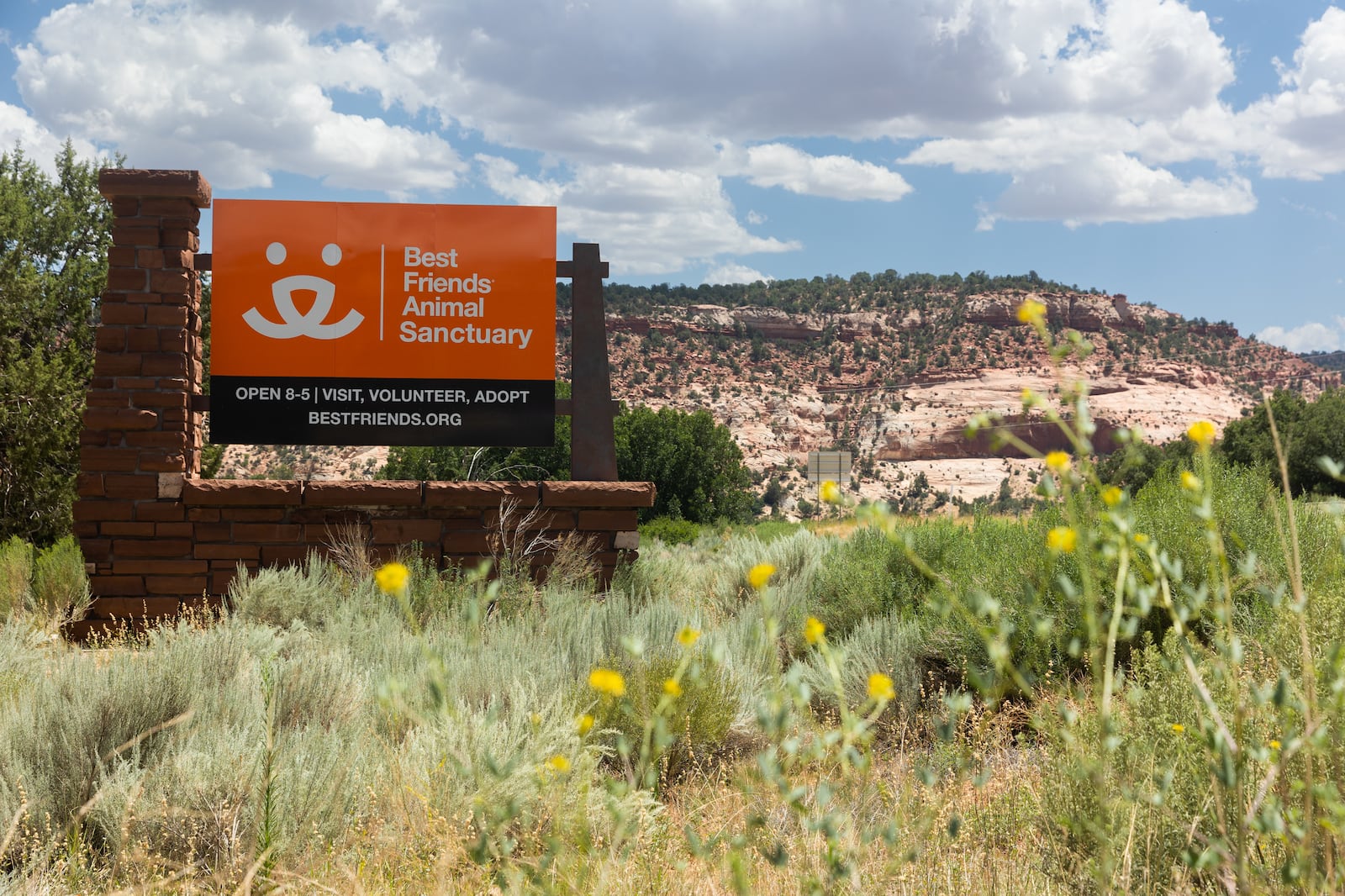
35 min drive
Located north of Kanab, this site offers tours and hiking trails that contrast well with the park's desert landscape.
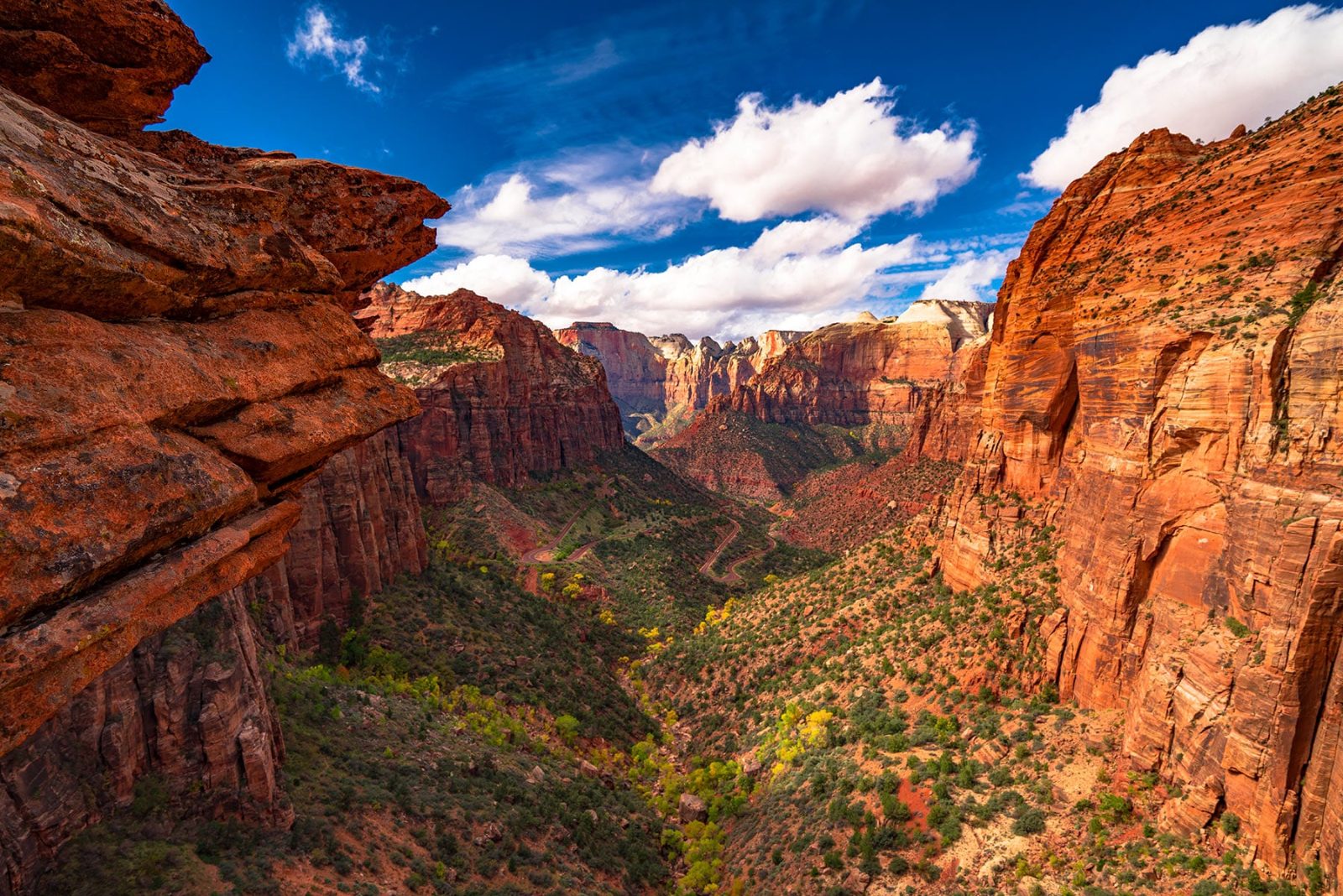
45 min drive
The east entrance of Zion provides access to dramatic sandstone cliffs and canyons that pair effectively with a trip to the dunes.
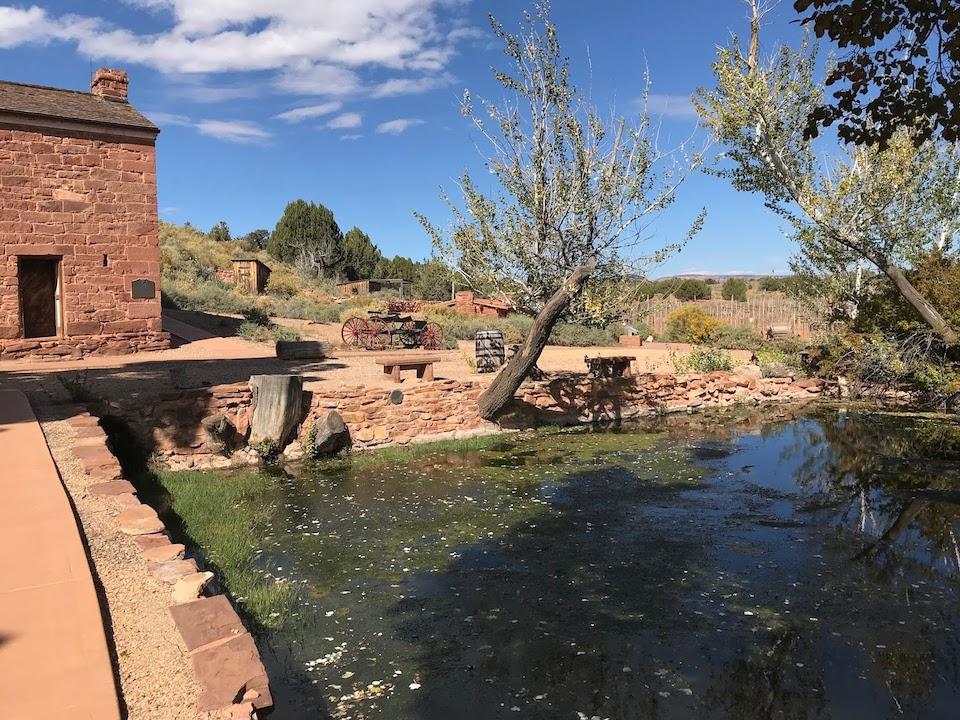
45 min drive
This historic site offers insight into the region's ranching history and local water sources, located just across the border in Arizona.
Everything you need to know about what to do at coral pink sand dunes
The park requires all guests to follow specific regulations to preserve the environment and ensure safety. This includes staying within designated riding areas, disposing of trash properly, and respecting wildlife habitats. Visitors should check the official state park website for current updates on conditions and safety notices. Adhering to these guidelines keeps the park accessible and safe for everyone.